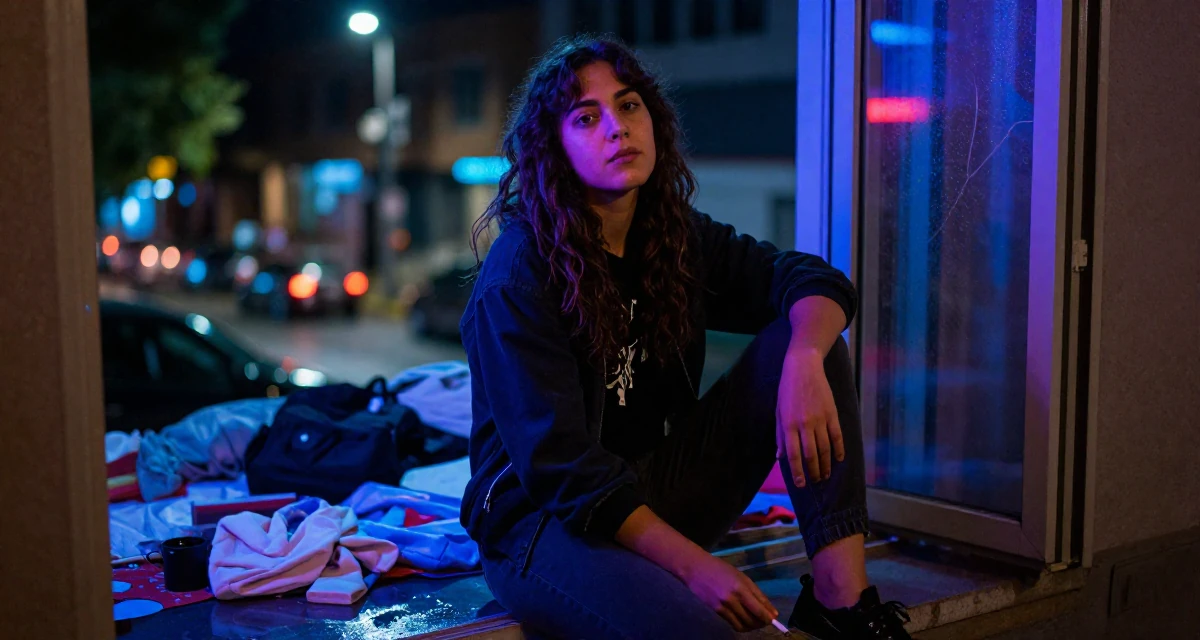
💡 Why this matters — money, power, and identity
If you’re Black and queer and thinking about creating on OnlyFans, you’re juggling a weird mix of opportunity and risk. Platforms like OnlyFans have unlocked direct paydays — sometimes massive — for creators who were previously boxed out by ad systems and brand gatekeepers. But for Black LGBTQ+ creators, income isn’t the whole story: there’s a history of hypersexualization, extra harassment, and higher safety stakes that shape how work feels and what it costs.
This piece pulls together first-person creator testimony, press coverage, and legal trends to map what’s happening now (Oct 2025), how Black LGBTQ+ creators are carving space, and where the market is likely to move next. Expect concrete examples, a clean data snapshot, and practical takeaways you can use whether you’re launching, scaling, or managing risk.
📊 Data Snapshot: Creator outcomes vs. safety signals
| 🧑🎤 Creator | 💰 Reported income | 📈 Notable outcome | ⚠️ Safety/Legal context |
|---|---|---|---|
| Lena (Black Caribbean creator) | $100,000 | Top 0.5% — rapid monetization via direct sales | Turned hypersexualized narrative into paid control |
| Liz Cambage (ex-WNBA) | Not publicly quantified | Said she made more in a week on OnlyFans than basketball | Raises questions about athlete pay and off-court income |
| Lily Phillips (UK creator) | Not publicly quantified | High-profile creator with safety incident at home | Illustrates real-world stalking and doxxing risks |
This table pulls three real test cases that show a pattern: big upside (rapid six-figure runs for a tiny slice of creators), strong headlines (athletes publicly advising peers to monetize), and clear safety incidents (creators reporting dangerous real-life interactions). Lena’s line — “I was in the top 0.5% of creators. That’s six figures in a few months” — is the clearest proof that direct monetization works fast for some. But the Lily Phillips case and recent court moves about non-consensual sharing show the other half of the ledger: growth plus new legal and safety pressures.
😎 MaTitie SHOW TIME
Hi — MaTitie here. I’ve been down the rabbit hole testing VPNs, streaming tools, and privacy setups so creators and fans can stay safe and keep access. If you worry about geo-blocks, privacy, or getting locked out of platforms, a solid VPN is a practical step.
If you want a fast, reliable option that works well for streaming and keeping accounts private, try NordVPN: 👉 🔐 Try NordVPN now — 30-day risk-free.
Affiliate disclosure: MaTitie earns a small commission if you sign up through the link.
💡 How creators are leaning in — real moves and quick trends
Creators I’ve followed and researched are following a few repeat playbooks:
Own the funnel: Use Instagram/X/TikTok to funnel paid fans to OnlyFans, then lock in recurring income via subscriptions, bundles, and custom requests. Lena’s story is a classic: she was already promoting lingerie on Instagram for free; OnlyFans simply monetized what she’d already proven people would pay for.
Convert stigma into agency: For many Black women and queer creators, the historical sexualization is a baseline reality. Some choose to lean into it on their terms — pricing content, setting boundaries, and converting shame narratives into revenue and independence.
Athletes and public figures are normalizing it: Public figures like Liz Cambage openly comparing earnings forces institutions and teammates to reckon with pay gaps. That public normalization makes platforms more visible and viable — and creates pressure on legacy systems to adjust pay or lose talent. [Sporting News, 2025-10-06]
Safety incidents are real and messy: High-profile stories where fans turn up at creators’ homes (like Lily Phillips) underline that platform fame can create physical risk. Creators are investing in safety protocols, doxx-protection, and boundaries. [TooFab, 2025-10-07]
Legal backstops are improving: Courts are starting to treat non-consensual sharing of paywalled content as a punishable offense — a welcome deterrent for revenge sharing. That’s a slow but important trend for creators who fear viral distribution of paid content. [Corriere della Sera, 2025-10-07]
Predictions (short):
- More athletes and mainstream public figures will use direct-pay platforms as salary pressure continues.
- Platforms and legal systems will tighten enforcement against non-consensual sharing — but deterrence is uneven.
- Black LGBTQ+ creators will keep growing niche power but will demand better safety features and revenue tools.
💡 Bigger context — culture, stigma, and shifting gatekeepers
The OnlyFans-era is more than adult content; it’s a cultural and economic shift. For Black LGBTQ+ creators that shift is double-edged: financial independence and audience ownership, plus extra exposure to racist/queerphobic harassment. Creators who win are those who:
- Build layered income (subscriptions + DMs + merch + external promos).
- Treat safety like an operational line item: PO boxes, separate work phones, blurred backgrounds, screeners for in-person meetups.
- Use legal options and platform reporting aggressively (and keep receipts).
Media coverage is evolving, too. Stories like Lena’s — where a Black Caribbean woman takes control of a narrative that historically policed her body — show a reframing from shame to empowerment. At the same time, headlines about athletes monetizing or creators getting stalked skew public perception, so creators must craft their own narratives.
🙋 Frequently Asked Questions
❓ How much can top Black creators actually make?
💬 Top performers can hit six-figure results quickly (e.g., one creator in our sources said she earned “six figures in a few months” after ranking in the top 0.5%). Most creators make far less — income distribution is steep.
🛠️ Is OnlyFans safe for LGBTQ+ and Black creators?
💬 Safety varies. Platform tools plus new legal decisions help, but harassment and doxxing are real. Practical safety steps and legal awareness are critical.
🧠 Should athletes or public figures publicly promote OnlyFans?
💬 It’s a strategic call. The upside is fast revenue and control; the downside is reputational risk and contractual issues. Many are doing it anyway and changing the public norm.
🧩 Final Thoughts…
OnlyFans and similar platforms are a real economic lever for Black LGBTQ+ creators who want direct monetization and audience ownership. The upside is proven — fast, meaningful income for a committed minority — while the downsides are safety, reputation, and uneven legal protections. Creators who treat growth like a business (audience funnels, layered offers, safety ops, contracts) will win the long game.
📚 Further Reading
Here are 3 recent articles that give more context to this topic — all selected from verified sources. Feel free to explore 👇
🔸 Ex-WNBA star implores players to find additional revenue source after OnlyFans success
🗞️ Source: Fox News – 📅 2025-10-07
🔗 Read Article
🔸 Whoops—Ohio Accidentally Excludes Most Major Porn Platforms From Anti-Porn Law
🗞️ Source: Reason – 📅 2025-10-06
🔗 Read Article
🔸 A Woman Tried To Publicly Slut-Shame Me. She Wasn’t Prepared For My Response
🗞️ Source: Huffington Post – 📅 2025-10-07
🔗 Read Article
😅 A Quick Shameless Plug (Hope You Don’t Mind)
If you’re creating on OnlyFans, Fansly, or similar platforms — don’t let your content go unnoticed.
🔥 Join Top10Fans — the global ranking hub built to spotlight creators like YOU.
✅ Ranked by region & category
✅ Trusted by fans in 100+ countries
🎁 Limited-Time Offer: Get 1 month of FREE homepage promotion when you join now!
📌 Disclaimer
This post blends publicly available reporting, creator quotes, and editorial analysis. It contains affiliate links and light AI assistance. Use as a starting point, not legal or financial advice. If anything looks off, ping us and we’ll fix it — seriously.
💬 Featured Comments
The comments below have been edited and polished by AI for reference and discussion only.